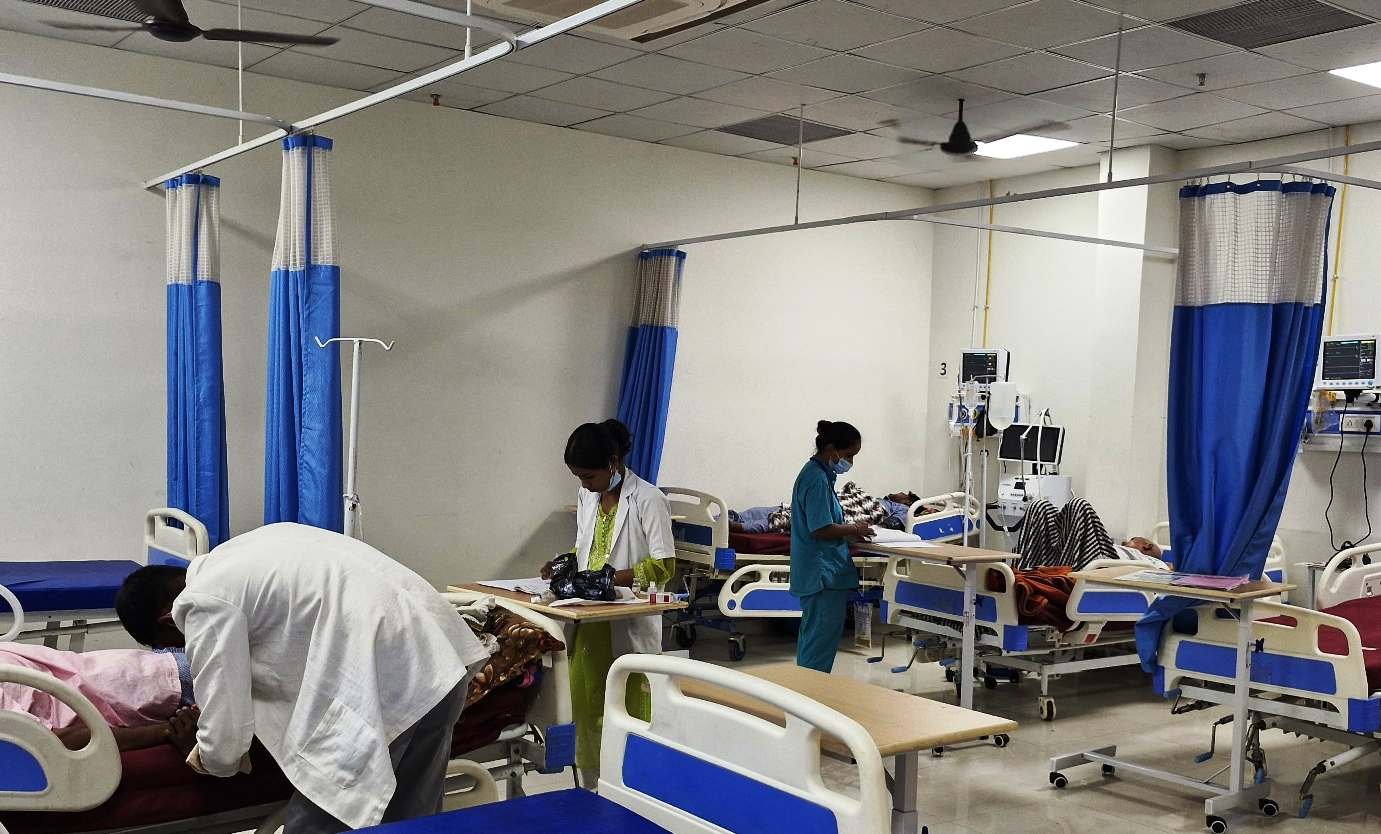

The Intensive Care Unit (ICU) in a hospital is a specialized department designed to provide intensive treatment and monitoring for patients who are critically ill or injured. We have full functional 5 beds ICU at RG Hospital and Medical Research Institute. Here are some key aspects of ICU::
Specialized Care: ICU provides highly specialized care and treatment for patients who require close monitoring and advanced medical interventions. This includes patients with severe respiratory, cardiac, neurological, or other medical conditions.
Advanced Equipment: ICUs are equipped with advanced medical equipment such as ventilators, cardiac monitors, infusion pumps, and specialized beds to support critically ill patients.
Multidisciplinary Team: A team of healthcare professionals works in the ICU, including intensivists (physicians specialized in critical care), nurses, respiratory therapists, pharmacists, and other specialists. This multidisciplinary team collaborates to provide comprehensive care to patients.
Continuous Monitoring: Patients in the ICU are continuously monitored, often with advanced monitoring systems that track vital signs, cardiac rhythms, and other physiological parameters. This allows healthcare providers to detect changes in a patient's condition quickly and intervene as needed.
Life-Saving Interventions: ICU is equipped to provide life-saving interventions such as mechanical ventilation, hemodynamic support, dialysis, and advanced medications to stabilize patients and support their organ function.
Family Support: ICU teams also provide support and communication to patients' families, who may be experiencing significant stress and anxiety. This includes keeping families informed about their loved one's condition, explaining treatment options, and providing emotional support.
Post-ICU Care: After stabilization in the ICU, patients may require ongoing care and rehabilitation. ICU teams often collaborate with other departments and healthcare professionals to ensure a smooth transition for patients from the ICU to lower levels of care or rehabilitation facilities.