
X-rays are a crucial diagnostic tool used in hospitals for imaging various parts of the body to aid in the diagnosis and treatment of medical conditions. Here are some key points about X-rays in hospitals:
Diagnostic Imaging: X-rays use electromagnetic radiation to create images of the internal structures of the body, including bones, organs, and tissues. These images help healthcare providers diagnose and monitor a wide range of medical conditions, such as fractures, pneumonia, tumors, and foreign objects.
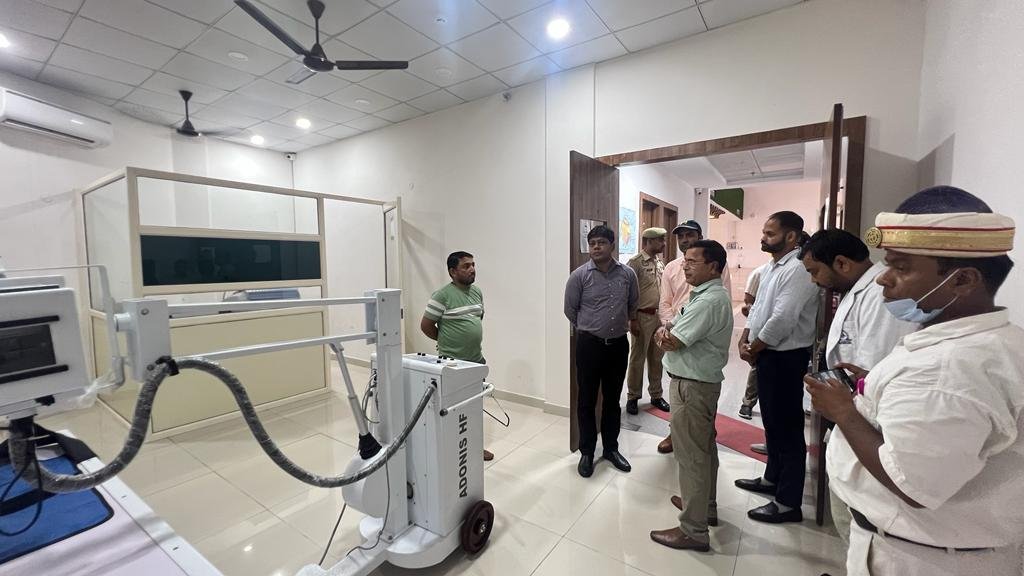
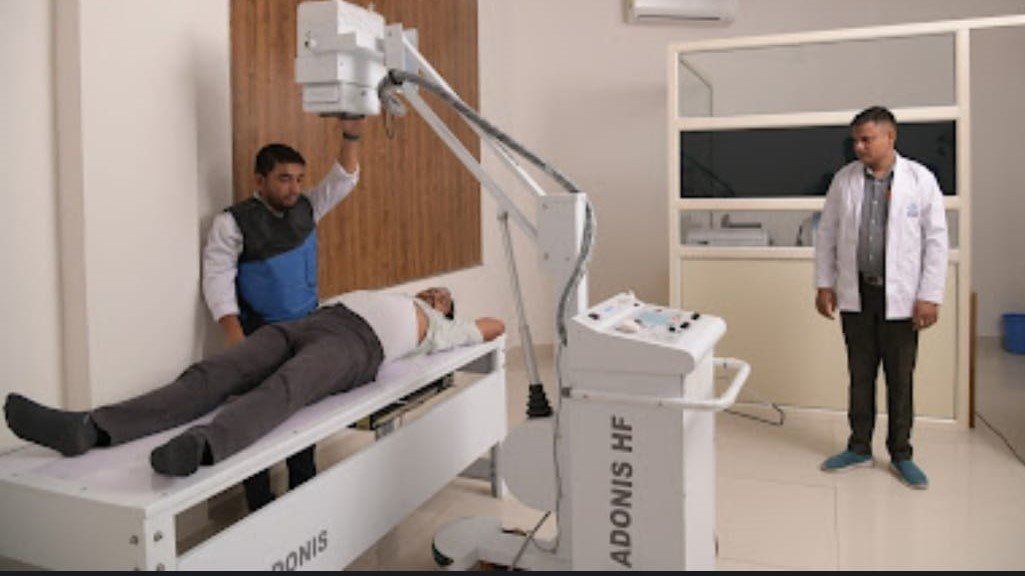
X-ray Machine: Hospitals have specialized X-ray machines that produce the radiation necessary to create images. These machines come in different types, including fixed units in radiology departments and portable units that can be brought to patients who are unable to move easily.
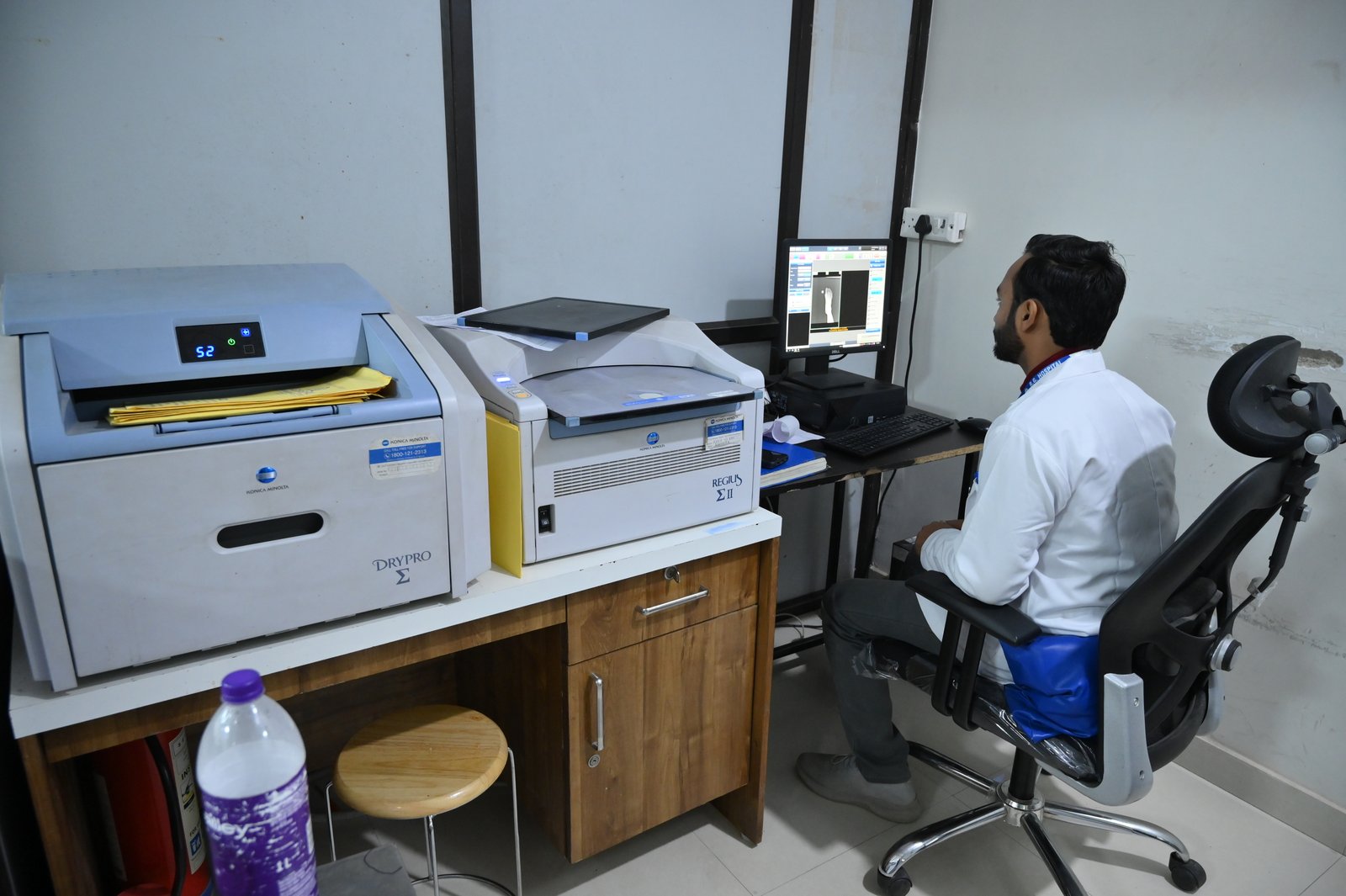
Radiology Department: Hospitals typically have dedicated radiology departments equipped with X-ray machines, along with other imaging modalities. These departments are staffed by radiologic technologists, radiologists, and other healthcare professionals specialized in medical imaging.
Safety Precautions: While X-rays are valuable for diagnostic purposes, they involve exposure to ionizing radiation, which can pose health risks if not used properly. Hospitals adhere to strict safety protocols to minimize radiation exposure for patients and healthcare workers. Protective measures may include lead aprons, thyroid shields, and monitoring radiation doses.
Patient Preparation: Before undergoing an X-ray, patients may need to remove metal objects and jewelry that could interfere with the imaging process. Depending on the area being imaged, patients may also need to change into a hospital gown to ensure clear and accurate images.
Interpretation of Results: After the X-ray images are captured, they are interpreted by radiologists or other healthcare providers trained in medical imaging. These professionals analyze the images to identify any abnormalities or signs of disease, which helps guide the patient's diagnosis and treatment plan.
Accessibility: X-rays are widely available in hospitals and medical facilities around the world. They are relatively quick and non-invasive, making them a valuable tool for diagnosing injuries and illnesses in emergency situations as well as for routine medical examinations.