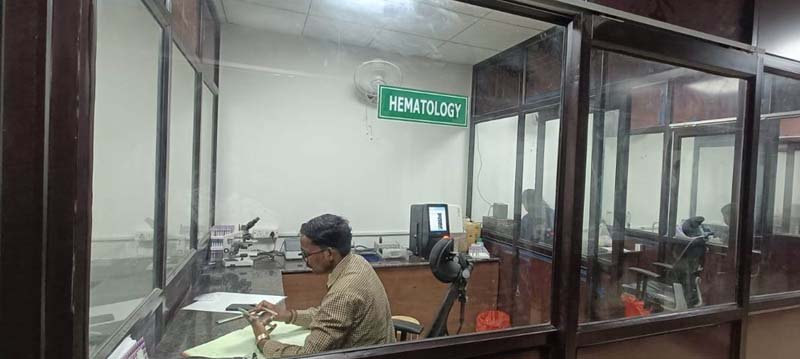

Both blood banks and pathology departments are integral parts of a hospital's healthcare services, but they serve different purposes.
Diagnostic Testing: Pathology departments perform diagnostic tests on patient samples, such as blood, tissue, and fluid specimens, to assist in the diagnosis and treatment of diseases. This includes tests for cancer, infections, autoimmune disorders, and other medical conditions.
Histopathology: Pathologists examine tissue samples obtained from biopsies or surgical procedures under a microscope to identify abnormal cellular changes indicative of disease, such as cancerous growths or inflammatory conditions.
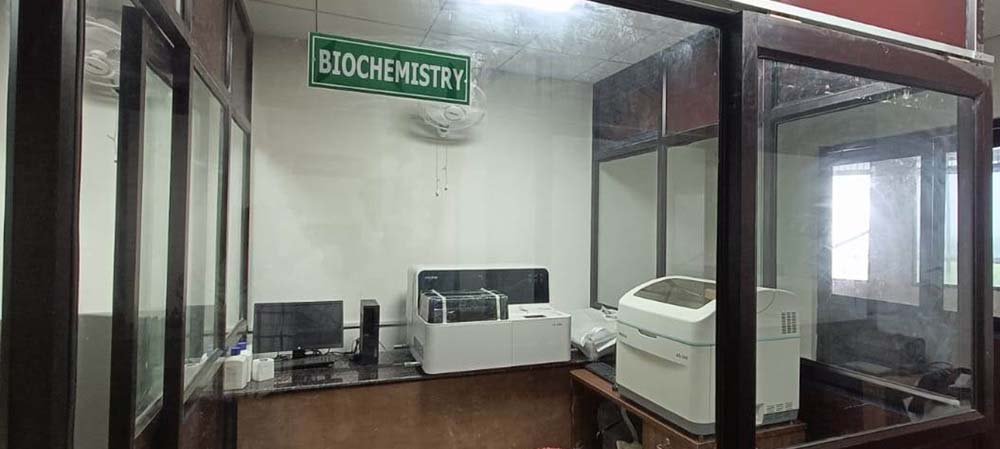
Clinical Pathology: Clinical pathologists analyze blood, urine, and other body fluids to assess organ function, detect abnormalities in blood cell counts, and diagnose metabolic disorders.
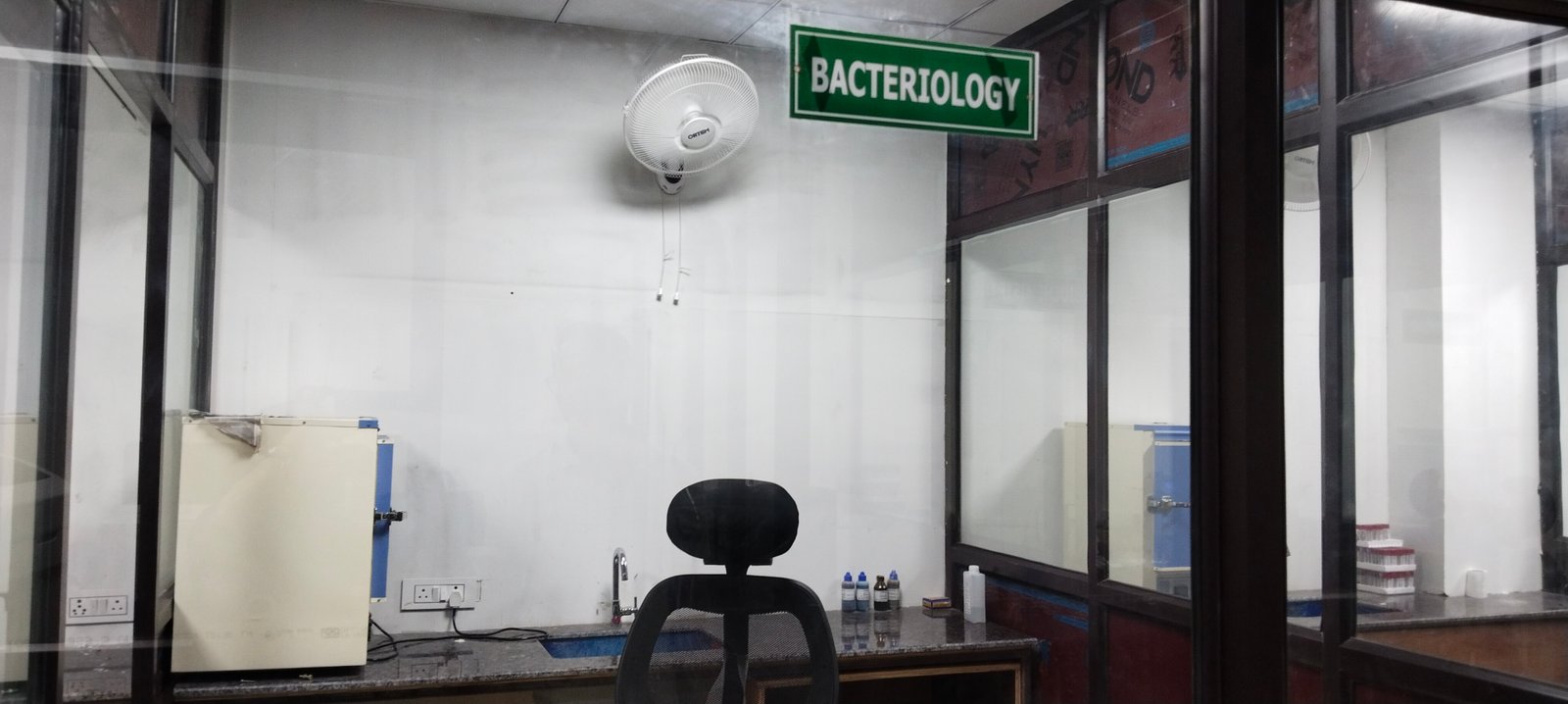
Microbiology: Microbiologists identify and characterize infectious agents, such as bacteria, viruses, fungi, and parasites, to guide appropriate treatment with antimicrobial drugs.
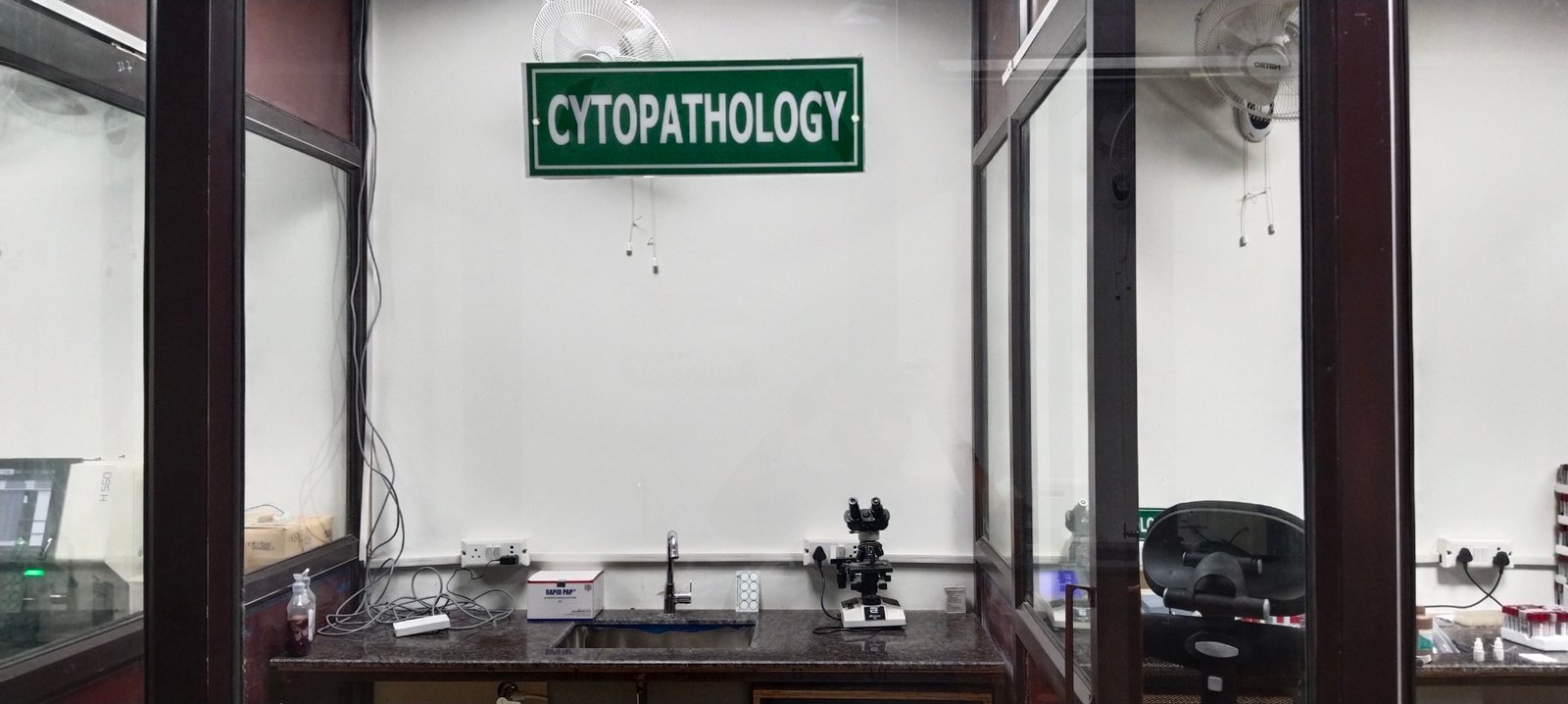
Cytology: Cytopathologists examine cells collected from body fluids or tissue samples to diagnose conditions such as cervical cancer, lung cancer, and lymphoma.