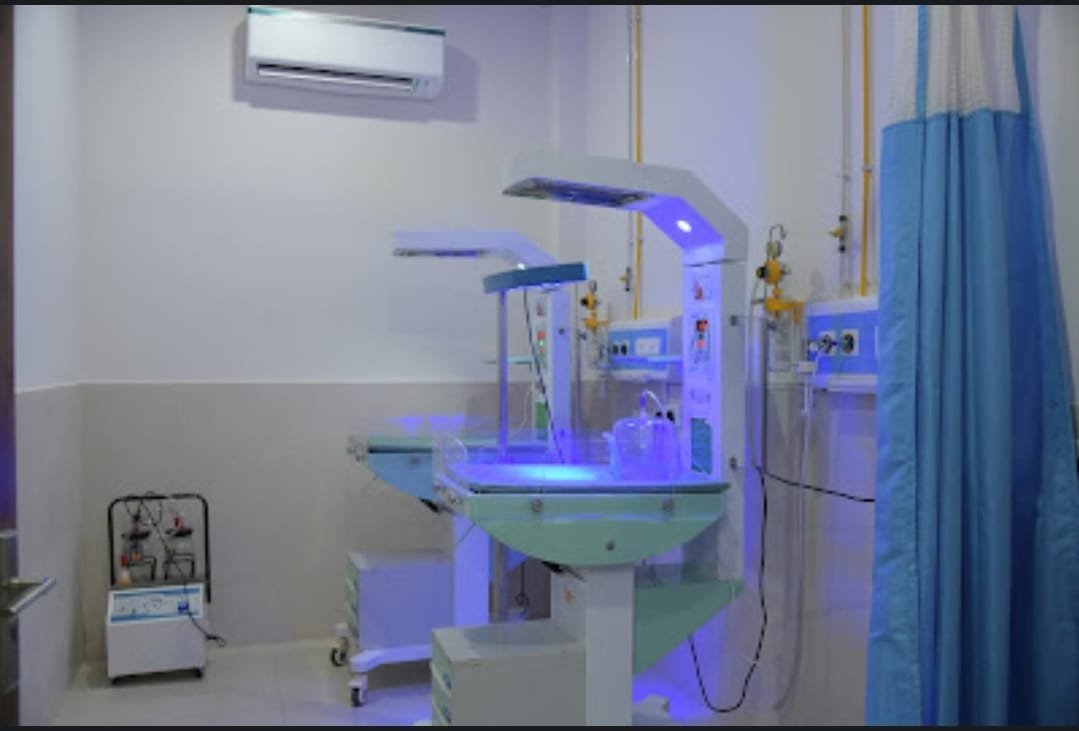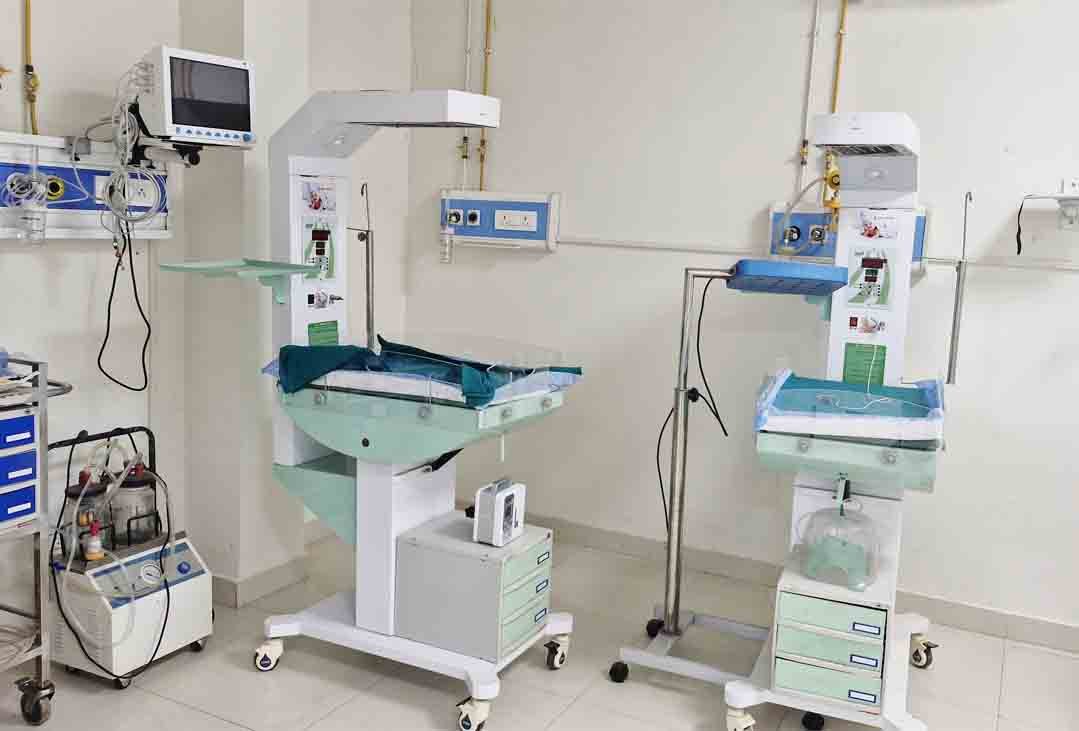

We have a fully functional and well equipped NICU (Neonatal Intensive Care Unit) with 2 beds at RG Hospital and Medical Research Institute. It's a specialized unit in hospitals equipped to provide care for premature or ill newborn infants. These infants require intensive medical attention due to complications such as premature birth, low birth weight, respiratory distress, infections, or other medical conditions that require specialized treatment.
NICUs are staffed by healthcare professionals trained in neonatology, including neonatologists, nurses, respiratory therapists, and other specialists. They provide around-the-clock care to monitor and treat the infants, often using specialized equipment such as incubators, ventilators, and monitors to support their health and development.
The goal of the NICU is to provide the highest level of care to these vulnerable infants, with the ultimate aim of helping them grow and thrive so they can eventually be discharged from the hospital and go home with their families.Which babies need special care?
Most babies admitted to the NICU are preterm (born before 37 weeks of pregnancy), have low birth weight (less than 5.5 pounds), or have a health condition that needs special care. In the U.S., nearly half a million babies are born preterm. Many of these babies also have low birth weights. Twins, triplets, and other multiples often are admitted to the NICU. This is because they tend to be born earlier and smaller than single birth babies. Babies with health conditions such as breathing trouble, heart problems, infections, or birth defects are also cared for in the NICU.
Below are some factors that can place a baby at high risk and increase the chances of being admitted to the NICU. But each baby must be assessed to see if he or she needs the NICU. High-risk factors include the below.
Baby factors include:
Baby born at gestational age of less than 37 weeks or more than 42 weeks
Birth weight less than 5 pounds, 8 ounces (2,500 grams) or over 8 pounds, 13 ounces (4,000 grams)
Small for gestational age
Medicine or resuscitation in the delivery room
Birth defects
Respiratory distress including rapid breathing, grunting, or stopping breathing (apnea)
Infection such as herpes, group B streptococcus, chlamydia
Seizures
Low blood sugar (hypoglycemia)
Need for extra oxygen or monitoring, IV (intravenous) therapy, or medicines
Need for special treatment or procedures such as a blood transfusion